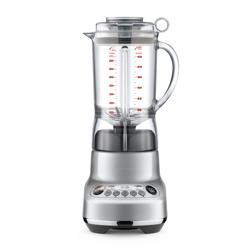
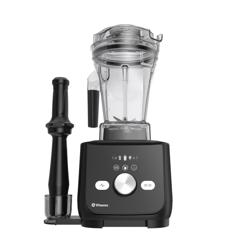
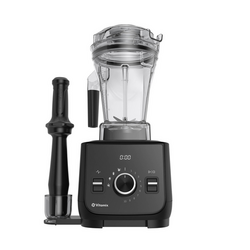
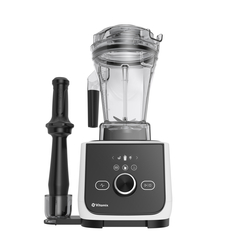
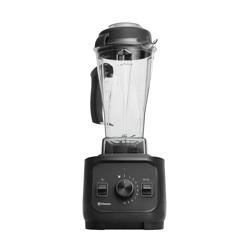
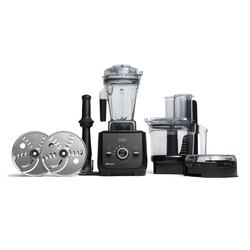
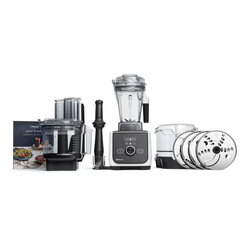
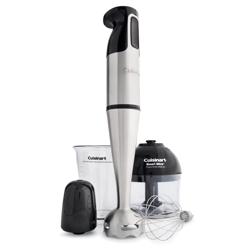
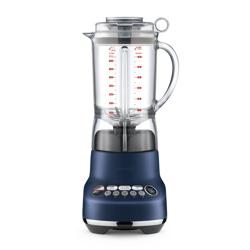
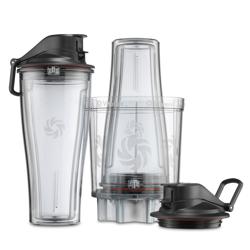
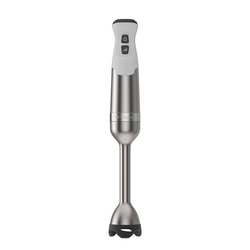
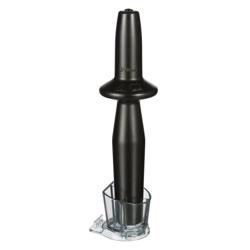
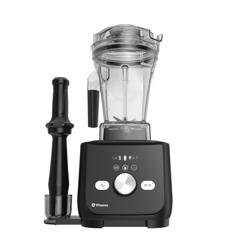
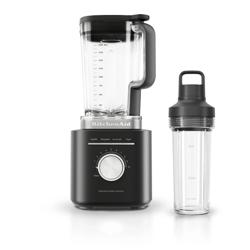
Blenders with automatic programs use preset blending cycles to control timing and speed for tasks such as making smoothies, puréeing soups and preparing frozen drinks. Depending on the machine, a program may combine pulses, pauses and changing speeds or run at a set speed for a timed interval, then stop automatically. That built-in timing means fewer manual adjustments and a more repeatable starting point for everyday recipes. A smoothie cycle can help turn frozen berries, yogurt and leafy greens into a drink with an even texture, while a frozen drink setting is designed to break down ice alongside liquids and other ingredients. The exact programs vary by blender, so the most useful selection is one that matches what you actually make. For someone who blends breakfast almost every morning, a dedicated smoothie setting may earn its place on the counter more readily than several specialty functions. For a cook who regularly prepares vegetable soups, sauces and dressings, presets paired with manual speed control offer room for both routine tasks and finishing touches. Automatic programs simplify the process, but the ingredients still matter: the amount of liquid, size of the pieces and proportion of frozen food all affect the result. A pitcher packed tightly with frozen mango behaves differently from one holding ripe peaches and milk. Following the recommended loading order and batch size helps ingredients move toward the blades rather than collect above them. Manual controls remain useful for adding a few extra seconds, keeping salsa chunky or adjusting a sauce that needs a little more blending. Presets also differ from connected features. An automatic blender does not necessarily connect to an app or recognize its container, though some machines combine those capabilities. For related options with technology-assisted controls,
Smart Blenders offer another way to explore features that can simplify daily preparation. The value of either approach comes down to clear controls, appropriate functions and a good fit for your cooking routine.
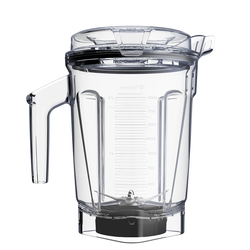
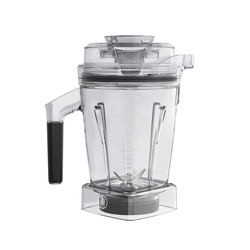
Capacity, container shape and countertop fit influence how comfortable a blender is to use just as much as its programmed settings. A full-size pitcher makes sense for shared breakfasts, batches of soup or frozen drinks for guests, while a smaller container can suit a single smoothie or a modest amount of dressing. Maximum capacity is not the same as the best working capacity for every recipe; hot mixtures, expanding ingredients and thick blends may have different limits. Minimum quantities matter, too, since a wide pitcher may need more ingredients to keep food circulating effectively. Anyone who frequently makes small portions will appreciate a container designed for those amounts rather than a large vessel that leaves ingredients below the reach of the blades. Materials bring their own practical differences. Plastic pitchers are generally lighter to lift, which can be helpful when pouring a full batch, while glass containers tend to be heavier and resist stains and lingering odors. Neither material alone establishes whether a container can handle heat, so the manufacturer's instructions should govern hot blending. Stainless steel blades are common, but performance depends on the whole blending system, including the blade assembly, container geometry and motor design—not simply a wattage figure. For fibrous greens, frozen fruit and ice, a blender should be designed for those ingredients and used with the recommended liquid proportions. Thick mixtures such as hummus or nut butter place different demands on a machine and may need a compatible tamper, a manual setting or pauses specified by the manufacturer. A comfortable handle, readable markings and a lid that secures easily make a difference when hands are busy with meal preparation. Overall height matters beneath upper cabinets, especially if the blender will stay assembled on the counter. Space to remove the lid, reach the controls and store any additional containers also deserves consideration. A stable base and accessible buttons can make everyday operation feel more manageable, while sound levels remain worth considering in an open kitchen or a household with early risers.
Care and intended use help determine whether an automatic blender becomes a daily companion or an appliance brought out only for occasional recipes. A cleaning program can make routine upkeep easier by circulating water and a small amount of dish soap through the container, when the manufacturer recommends that method. It does not replace rinsing, checking around seals or removing food trapped beneath a removable blade assembly. Dishwasher-safe components vary by model, and the motor base should never be immersed in water. Prompt rinsing after a berry smoothie or creamy soup is usually easier than tackling dried residue later. Careful handling around sharp blades, regular checks for worn seals and avoiding tools that scratch the pitcher can help preserve the parts that get the most use. Following operating limits is important for durability as well: repeated cycles with an overly thick mixture can strain a motor rather than improve the blend. Soup programs call for particular attention because they do not all perform the same task. Some compatible high-performance blenders can heat ingredients through blade friction, while other presets blend ingredients without cooking them. Only containers explicitly approved for hot blending should hold hot ingredients, and hot liquids should never go into sealed personal blending cups. These distinctions become especially useful during the cooler months, when smooth squash soups, warm sauces and vegetable purées may join the usual breakfast rotation. Automatic shutoff reduces the need to watch the clock, but it is not a reason to leave a running blender unattended. For busy households, the real convenience is having a familiar sequence: measure the ingredients, secure the lid, select the appropriate cycle and check the finished texture. These blenders can also make thoughtful gifts for smoothie enthusiasts, home cooks setting up a kitchen or anyone who enjoys preparing food from whole ingredients. The strongest match is not necessarily the machine with the most programs. It is the one with useful settings, manageable cleanup and enough flexibility to handle both a quick weekday breakfast and the recipes that invite a little more time in the kitchen.