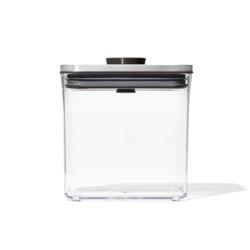
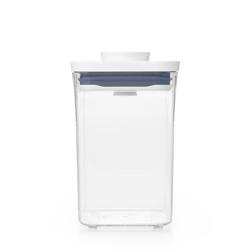
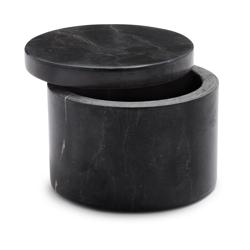
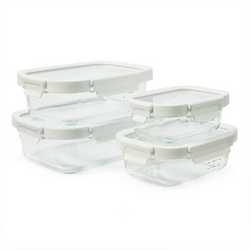
Spice jar storage works best when tightly sealed containers are kept in a dry, dark drawer or cabinet away from cooking heat and direct sunlight. The right jars and organizers make seasonings easy to find while helping protect the aromas that give everyday meals their flavor. Whether the kitchen holds a handful of essentials or a collection of whole spices, ground seasonings and favorite blends, storage should suit both the space and the way you cook. In-drawer organizers keep jars arranged in shallow rows, often at an angle that makes side labels easier to read. They work especially well near a prep area, where cumin, cinnamon or crushed red pepper can be within reach without sitting beside a hot burner. Tiered cabinet racks raise the back rows so smaller containers do not disappear behind taller ones. A turntable brings jars at the back of a shelf forward, while a pull-out organizer can make a narrow cabinet easier to use. Countertop racks offer convenient access, but their placement matters: a shaded spot away from the stove is better suited to spice storage than a sunny windowsill. Wall-mounted storage can free up shelf space, provided the jars remain protected from light and heat. For any layout, useful capacity means more than the number of jars an organizer holds. It also means enough room to grasp a lid, lift a container out and return it without knocking over the next row. A compact arrangement that leaves every label visible can be more practical than a larger rack packed too tightly. Keeping frequently used seasonings together also makes sense for the rhythm of cooking. Salt-free blends used for weeknight vegetables, baking spices and seasonings for grilling can each have a recognizable place, making it easier to reach for the right ingredient while dinner is underway. That visibility helps prevent duplicate purchases and forgotten jars, too.
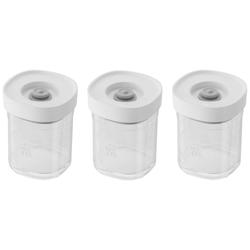
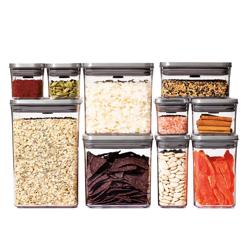
The jars themselves have just as much influence on a storage setup as the rack or drawer insert around them. Glass spice jars are nonreactive and let you see the contents at a glance, making it easier to distinguish whole peppercorns from ground pepper or notice when the paprika is running low. Because clear glass does not shield seasonings from light, these jars are particularly well suited to enclosed cabinets and drawers. Opaque containers offer more protection from light, although clear labeling becomes especially important when the contents are hidden. Food-safe plastic containers are lighter and less prone to breaking if dropped, while glass can provide lasting clarity with careful handling. For any material, a snug closure matters more than a matching appearance. Screw-top lids and gasketed closures can help limit exposure to air and moisture when properly fitted; a loose decorative lid is less useful for protecting aromatic spices. Jar shape also affects everyday handling. Straight-sided containers can sit neatly beside one another, while a wider opening gives measuring spoons room to reach the bottom. A shaker insert is convenient for sprinkling a finishing touch over vegetables or eggs, but access beneath that insert matters when a recipe calls for a measured amount. Container size should reflect how quickly a seasoning gets used. A small jar can be a sensible home for an occasional pinch of cloves, while a larger container may better suit a frequently used seasoning blend. Uniform jars create orderly rows, but an organizer that accommodates different shapes can work well for a mix of refillable containers and original packaging. Labels placed on lids are easiest to read from above; side labels are more useful on upright shelves or angled drawer tiers. A discreet refill or purchase date adds context without crowding the ingredient name, helping distinguish an older batch from a newly opened one.
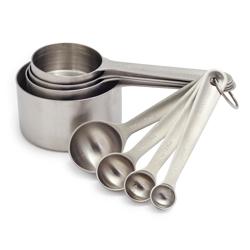
A good fit starts with the usable space inside a drawer or cabinet, not just its outside dimensions. Drawer organizers need clearance beneath the frame above them, especially when jars rest at an angle. Cabinet racks should leave enough space between the tallest lid and the shelf overhead for comfortable removal, and rotating storage needs room to turn without catching neighboring containers. Door-mounted racks also need clearance when the door closes. Adjustable organizers can accommodate changes in a spice collection, while sturdy fixed racks offer a simple arrangement for a consistent set of jars. Metal, wood and plastic each bring different benefits: metal can provide a slim, supportive frame, wood lends warmth to an open shelf and plastic is often lightweight and easy to wipe clean. Smooth edges, stable bases and well-supported shelves matter when containers are handled daily. Removable inserts or trays can make cleaning easier after a little turmeric escapes or a jar leaves a dusty ring. Care instructions vary by material and construction, so dishwasher-safe claims should apply to the individual component rather than the entire setup by assumption. Glass jars, lids, seals and organizer frames may each require different care. Thorough drying before refilling helps keep ground spices from clumping, and a dry measuring spoon avoids introducing moisture into the jar. Narrow
spice jar measuring spoons complement containers with smaller openings, making it easier to measure directly without tipping extra seasoning onto the counter. Together, accessible storage and well-fitting tools support everything from a quick vinaigrette to a carefully measured baking recipe. They also make a thoughtful gift for someone setting up a first kitchen, an enthusiastic baker or a cook who enjoys building a collection of seasonings. The most useful choice reflects that person’s habits and available space, whether that means a few neatly labeled jars in a small drawer or an organized cabinet that keeps a broader collection easy to browse.