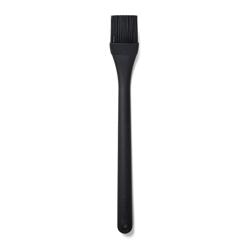
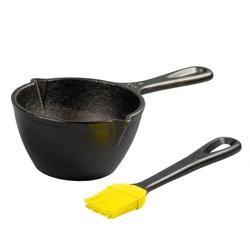
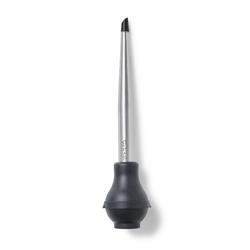
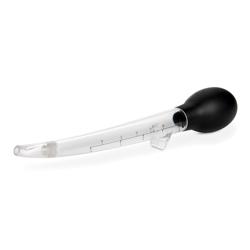
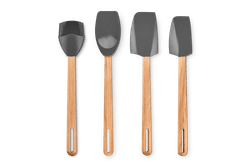
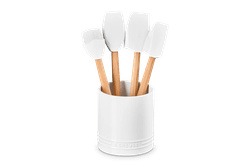
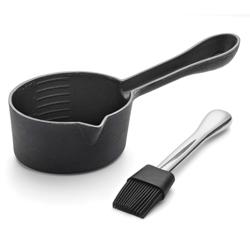
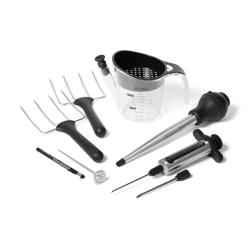
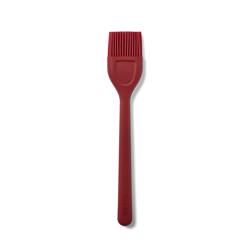
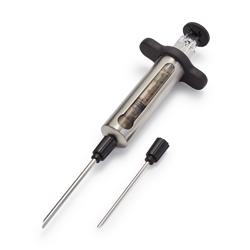
Sauce basting tools include basting brushes, cotton basting mops, bulb basters and sauce pots that help apply or hold marinades, melted butter, glazes and pan juices. Each type suits a different consistency and cooking task: brushes spread sauce across a surface, mops carry generous amounts of thin liquid and bulb basters draw juices from a pan for redistributing over a roast. The right match makes it easier to coat food evenly without overwhelming it or leaving most of the sauce behind in the bowl. A flexible brush can work a sticky barbecue glaze into the ridges of a rack of ribs, sweep garlic butter across split bread or coat vegetables before roasting. A cotton mop is better suited to dabbing a loose, vinegar-based sauce over a large cut of meat, while a bulb baster offers a convenient way to reach the juices collected around a chicken. These tools support different kinds of cooking, from a quick dinner prepared on a sheet pan to a leisurely afternoon at the grill. Sauce texture is often the most useful starting point when choosing between them. Thick mixtures need a brush head that picks up enough sauce and releases it with a controlled stroke; thin liquids need absorbent fibers, liquid-holding bristles or a tube that can draw them up. Flecks of herbs and minced garlic also matter, since chunky mixtures may spread more easily with a brush than pass through a narrow baster tip. For cooks who enjoy building flavor from the pantry,
sauce seasonings complement these tools with options for the mixtures being brushed, dabbed or drizzled. Basting adds surface flavor and can help build a glossy coating, but it does not replace careful cooking or guarantee a juicy interior. A tool that feels comfortable and suits the sauce makes that finishing work easier to control.
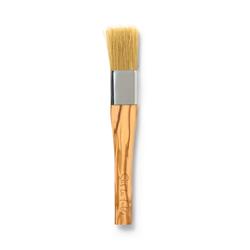
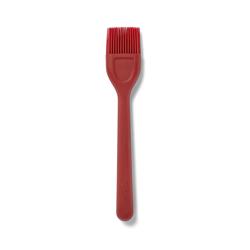
Materials and construction affect how a basting tool handles sauce, feels in the hand and holds up to repeated use. Silicone basting brushes have flexible bristles that are generally easy to wash and are often designed to tolerate cooking heat, although heat limits vary by tool. Their bristle spacing and shape influence how much liquid they carry: some work especially well with a substantial glaze, while others have channels or closely arranged sections that help retain thinner mixtures. Natural-bristle brushes can offer a soft touch for spreading butter or a delicate coating, though they need attention to cleaning, drying and loose bristles. Cotton basting mops absorb thin sauces and release them over broad surfaces, making them useful for cooks who regularly prepare larger cuts of meat. Their fibers require thorough cleaning and drying, and a replaceable head can be helpful for long-term care. Bulb basters commonly combine a squeezable bulb with a glass, plastic or stainless steel tube. Glass provides a clear view of the liquid inside but needs protection from knocks and sudden temperature changes; plastic keeps the tool lightweight but must be rated for its intended use. Stainless steel is sturdy, though it does not offer the same visibility. A snug connection between bulb and tube helps maintain suction, and a bulb that compresses comfortably matters when working around a crowded roasting pan. Handle length deserves similar attention. Longer handles provide extra reach over a grill or deep pan, while shorter handles can offer closer control when brushing individual portions. Neither replaces an oven mitt when handling hot cookware. A broad brush head covers a large surface with fewer passes, but a narrower head fits more easily into small bowls and around delicate food. For sauce pots, a stable base, manageable handle and opening wide enough for the brush or mop are practical details worth considering alongside capacity.
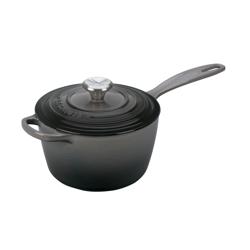
Fit also means matching sauce basting tools to the way a kitchen runs, including preparation, serving and cleanup. A cook making dinner for two may prefer a compact brush that fits neatly in a utensil drawer, while someone who regularly cooks for a group may appreciate a larger mop or a pot that holds enough sauce for several rounds of basting. Stainless steel sauce pots are durable and relatively easy to handle; cast iron holds heat well but weighs more and may require seasoning and careful drying, depending on its finish. Any pot intended for warming sauce should be approved for the heat source being used, and a resting place for the brush can help keep drips off the work surface. During cooking, separate portions of sauce for contact with raw food and for the final coating or serving. A brush that has touched raw meat should not go back into a sauce reserved for the table. Sweet glazes also need thoughtful timing because their sugars can scorch over strong heat; applying them closer to the end of cooking often gives better control over the finish. Afterward, thorough cleaning keeps tools ready for their next use. Dishwasher-safe construction can simplify cleanup, but the care instructions should cover the whole tool, not just its silicone head or metal tube. Removable bulbs and brush heads make hidden surfaces easier to reach, and a narrow cleaning brush can help remove residue from inside a baster. Wood handles generally need hand-washing and prompt drying rather than soaking. Before putting tools away, allow bristles, fibers and hollow parts to dry fully, and check occasionally for cracks, loose fibers or a weakening bulb seal. For a gift, a thoughtfully chosen basting tool suits the backyard griller, the cook who loves a well-browned roast or the host who enjoys adding a final layer of flavor before dinner reaches the table. Useful proportions, comfortable handling and straightforward care make these everyday utensils worth reaching for, whether the finishing touch is a light sweep of lemon butter or a generous coating of tangy barbecue sauce.