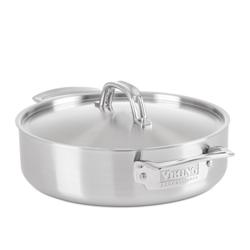
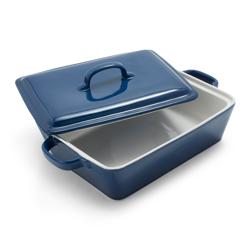
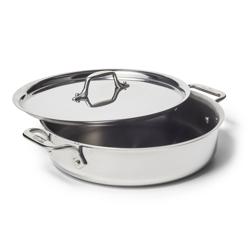
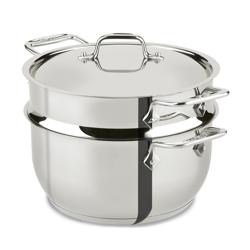
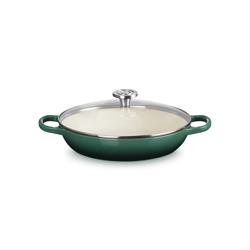
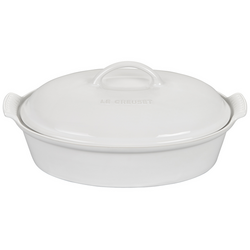
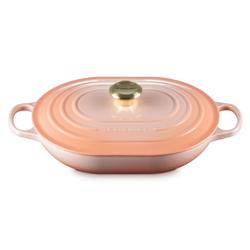
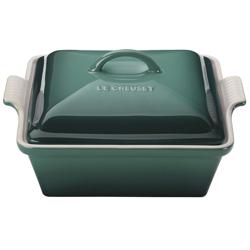
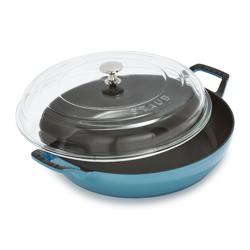
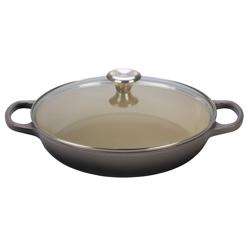
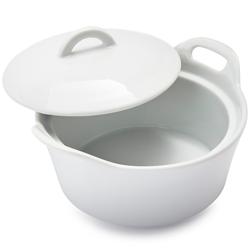
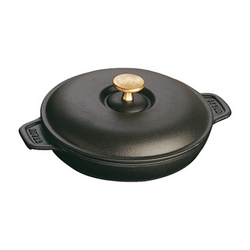
Dinner casserole dishes are oven-safe vessels for preparing and serving one-dish meals such as baked pasta, chicken and rice, enchiladas or layered vegetables. They give saucy fillings room to bubble and toppings space to turn golden, then carry the finished meal from oven to table without another serving dish. For everyday dinners, the most useful casserole bakeware fits both the food being prepared and the household eating it. A broad rectangular dish accommodates rows of rolled tortillas or sheets of lasagna, while a round or oval baker works well for spoonable meals with less structured layers. Depth matters as much as overall size: a deeper dish holds generous fillings, while a shallower one exposes more surface area for browned cheese, toasted breadcrumbs or a crisp potato topping. Recipes written for a 9-by-13-inch baking dish generally need that footprint, not simply another vessel with a similar capacity. Changing the shape or depth can affect how quickly the center heats and how much topping covers each portion. For a smaller household, a compact casserole dish can make dinner without leaving several days of leftovers; a larger baker suits shared meals and portions set aside for lunch. Capacity is worth checking alongside dimensions, especially for dishes with sloped sides or wide rims that make them appear roomier than they are. Leave space above the filling rather than packing a dish to the edge, since sauces can bubble up during baking. Fit also extends beyond the recipe. A casserole needs to sit comfortably on an oven rack, leave enough room for safe handling and fit in the cabinet where it will live between meals. When counter space is limited, a dish that also serves at the table can simplify the evening. Broad, easy-to-grip handles are particularly helpful when a full casserole is heavy, and they should offer enough clearance for oven mitts rather than just bare fingers.
Material influences how a casserole dish heats, how it looks at the table and how it should be cared for afterward. Glazed ceramic, including stoneware and porcelain, is a familiar choice for dinner casseroles because it retains heat and can serve as an attractive centerpiece for a casual meal. Its weight and substantial feel are useful for keeping food warm during serving, though construction varies and the manufacturer’s instructions determine which heat sources are appropriate. Glass offers a clear view of the sides and bottom, making it easier to see the layers of a pasta bake or where sauce is bubbling around the edges. Like ceramic, glass requires care around sudden temperature changes. An oven-safe designation does not automatically mean a dish is suitable for the broiler, stovetop or a direct move from the refrigerator into a hot oven. Enameled cast iron has considerable heft and holds heat well, making it appealing for meals that spend time on the table while everyone helps themselves. Some enameled cast iron casseroles are also designed for stovetop cooking, which can allow browning or sautéing in the same vessel before baking; that capability should always be confirmed for the individual dish. Metal bakeware generally responds to changes in oven heat more quickly than heavier ceramic or cast iron, although its performance depends on the material, thickness and construction. Stainless steel is valued for durability, while coated surfaces may offer easier food release but need utensils and cleaning methods that protect the finish. No material is entirely maintenance-free. Letting a dish cool before washing, softening baked-on sauce with an appropriate soak and avoiding abrasive tools can help preserve its surface. Dishwasher-safe construction is convenient, but lids, finishes and decorative details may have separate care requirements. Glass and ceramic should be checked for chips or cracks, particularly around rims and handles. For frequent use, a sturdy shape, a smooth interior and accessible corners can matter just as much as appearance. Rounded interior edges often make it easier to lift out a serving and reach the last bits of baked-on cheese during cleanup.
The details that make casserole cookware pleasant to use often become most noticeable after dinner. A well-fitting lid can help cover food for storage or transport, but its purpose deserves attention: a storage lid may not be oven safe, and a loose-fitting cover is not necessarily leakproof. For meals taken to a friend’s home, generous handles and a compatible carrier can make the trip more manageable, provided the dish stays level and the carrier is intended for that use. At home, consider whether the baker will fit on a refrigerator shelf with its cover attached and whether it nests neatly with other bakeware. A very wide rim may be comfortable to hold yet take up more storage space; a deeper dish may offer ample capacity but be harder to stack. These practical differences help distinguish a casserole used several nights a week from one reserved for larger gatherings. Dinner casseroles also suit different ways of cooking. Someone who prepares meals ahead may appreciate separate smaller bakers for dividing a batch, while a cook feeding several people may prefer a generous dish that goes straight to the center of the table. A vegetarian household might use the same bakeware for beans, greens and grains that another household uses for chicken, rice and a creamy sauce. For vegetable-forward meals featuring tomatoes, zucchini or corn,
Summer Casseroles offers another way to explore casserole bakeware around the foods being prepared. As a gift, a casserole dish is especially useful for someone setting up a kitchen, moving into a new home or enjoying the habit of cooking for others. A neutral finish can blend with existing dinnerware, while color can make an everyday pasta bake feel ready for company. The strongest choice balances those personal touches with manageable weight, suitable capacity and straightforward care, so the dish earns a regular place in the recipient’s cooking routine.