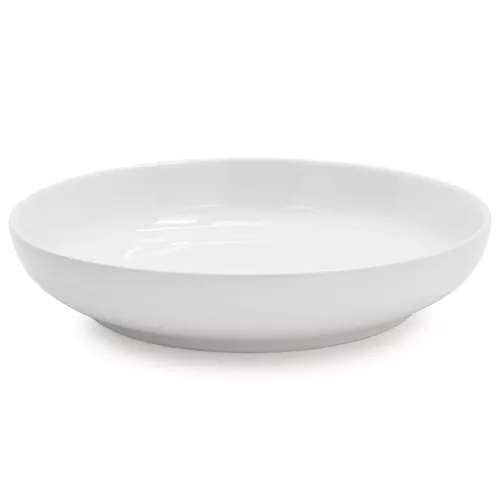
Bowls for Soup

Find bowls for soup that suit your favorite recipes and the way you serve them. Consider capacity for a starter or a full meal, then choose a shape that works for everything from smooth bisques to hearty stews. Compare sizes and styles to find the right fit for your table.

Read More
Sort by:
The best bowls for soup suit the portion size, the type of soup and the way it will be served. Bowls with a capacity of 8 to 12 ounces generally work for appetizer portions, while 16- to 32-ounce bowls offer more room for entrée soups, chowders and noodle dishes. Allow space below the rim for toppings and comfortable carrying rather than choosing a bowl that must be filled to the edge. A small bowl of smooth tomato soup alongside a grilled cheese sandwich calls for a different shape than a generous serving of ramen with noodles, vegetables and an egg. Deep soup bowls keep broth gathered around the ingredients and provide room for a spoon to move without pushing liquid over the sides. Wider, shallower bowls spread out chunky ingredients, making them useful for soups with large vegetables, beans or pieces of meat. Their open shape also gives garnishes room to sit on the surface, whether that means a swirl of cream, chopped herbs or crisp croutons. Rounded interiors and gently sloping sides help bring the final spoonfuls together without leaving broth caught in sharp corners. A broad rim provides a place to grip the bowl, though it also takes up more space on the table and in the cabinet. Handled soup bowls offer another serving option, especially for casual meals, but handles can become hot and do not replace the need for a potholder when appropriate. The bowl should rest securely on its base and feel comfortable to lift when empty. For everyday meals, its fit matters beyond capacity: a soup bowl should leave room on a place setting for bread, a drinking glass and utensils without crowding everything together. A deeper bowl may suit a compact table better than a broad, rimmed design. Checking the overall dimensions as well as the stated capacity helps distinguish a bowl that holds a satisfying lunch from one that simply has a large footprint.

Material influences how soup bowls feel, how they hold up to regular use and how they fit into the routine of serving and cleanup. Porcelain and stoneware are popular choices because they bring a comfortable weight to the table and suit a wide range of meals. Porcelain often has a smooth finish and a refined profile, while stoneware can have thicker walls and a more substantial feel. These are general characteristics rather than guarantees; construction and finish vary from bowl to bowl. Heat retention depends on the bowl’s thickness, shape and starting temperature, not just the material name. A wide opening exposes more soup to the air, while a deeper shape keeps the same portion more compact. Glazed earthenware can bring expressive color and texture to a place setting, though it may require more careful handling than denser ceramic materials. Glass offers a clear view of broth and ingredients, but its suitability for reheating depends on the particular glass and the manufacturer’s instructions. For any material, microwave, dishwasher and oven suitability should be checked separately. A bowl that is microwave safe is not necessarily safe under a broiler, an important distinction for French onion soup finished with bubbling cheese. Likewise, an oven-safe designation may come with temperature limits or restrictions on sudden temperature changes. Let hot bowls cool before washing, avoid moving them directly from the refrigerator into a hot oven unless the instructions permit it and inspect them for cracks or chipped rims. Everyday durability also depends on how bowls are stored. Stable stacks, enough cabinet clearance and gentle handling help protect edges from knocks. If a finish requires hand-washing, use a soft sponge and follow the care directions rather than reaching for an abrasive scrubber. For frequent use, bowls that are dishwasher safe can simplify cleanup, provided they fit securely in the rack without pressing against neighboring dishes. A smooth interior is also practical for creamy soups and stews, making it easier to rinse away food before it dries.

Soup bowls are part of the table even when soup is not on the menu, which makes versatility worth considering. The same bowl that serves lentil soup at lunch may hold oatmeal at breakfast, rice with vegetables at dinner or a small serving of pasta. A deeper shape is useful for meals with plenty of liquid, while a more open bowl gives grain dishes and salads room to spread out. Choosing a shape that suits several familiar meals helps bowls earn their cabinet space. Appearance matters, too, but it does not have to mean matching every piece of dinnerware. White and other neutral finishes let the colors of carrot soup, leafy greens and red chile oil stand out. Colored glazes can add warmth or contrast to a table, while subtle texture brings interest without competing with patterned plates. For an understated setting, Simple Bowls offer a natural starting point for pairing everyday dishes with table linens and serving pieces. Coordinated bowls create a consistent place setting for shared meals, while complementary shapes and colors can feel equally comfortable together. Think about the meals they will join: shallow appetizer portions before a main course, generous bowls of chicken noodle soup for family dinner or individual servings of stew with bread on the side. Serving bowls and individual soup bowls have different jobs, so a larger vessel for the center of the table should complement, rather than replace, bowls sized for each person. For a housewarming or wedding gift, soup bowls are a practical choice for someone establishing a kitchen, especially when the style works with their existing dishes. A pair can suit a smaller household, while a larger set supports family meals and guests. Easy care, manageable weight and stackable shapes are useful qualities for a gift recipient as well as for everyday use. Whether the meal is a carefully garnished bisque or a ladleful of leftover chili, a well-chosen bowl makes serving straightforward and gives each portion a comfortable place at the table.
Read More

FAQ