-
(102)
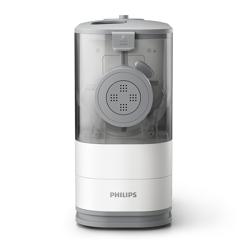
A white Philips pasta maker that automatically mixes, kneads, and extrudes dough for effortless homemade pasta.
Pros: easy to use, easy to clean, quick
-
(38)
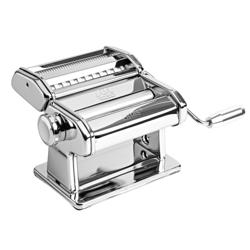
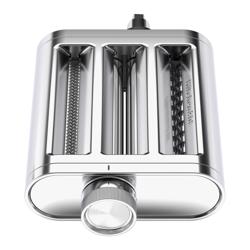
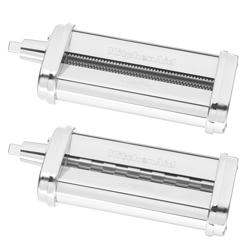
A silver metal attachment that rolls and cuts pasta dough into spaghetti, fettuccine, or lasagna sheets.
Pros: easy to use, versatility, durable
-
(9)
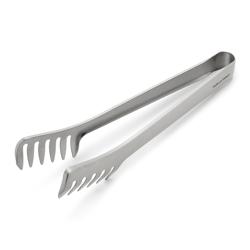
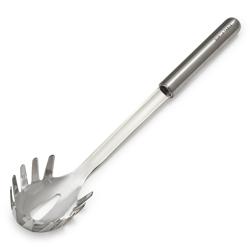
A silver stainless steel pasta tong with interlocking teeth for a secure grip on various noodles.
Pros: ease of use, useful, functional
-
(1)
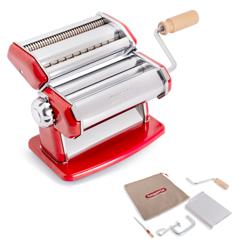
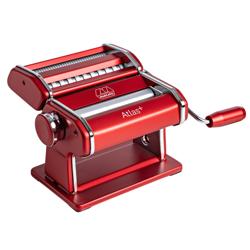
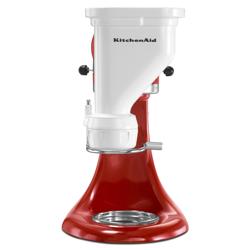
A sturdy red tinned steel machine that rolls and cuts fresh pasta into fettuccine or tagliolini.
Pros: overall satisfaction
-
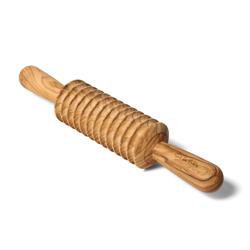
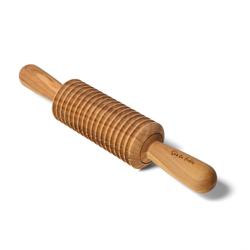
An Italian-made olivewood roller that effortlessly cuts dough into broad, even pappardelle strands.
-
(1)
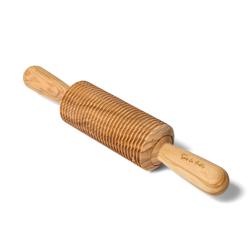
An olivewood roller that effortlessly cuts dough into even fettuccine strands for homemade pasta nights.
-
An Italian-made olivewood roller that effortlessly cuts pasta sheets into even tagliatelle strands.
-
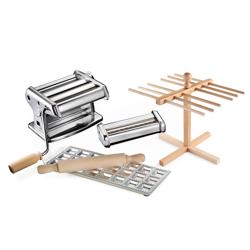
A complete silver steel set for crafting and drying authentic homemade pasta with Italian precision.
-
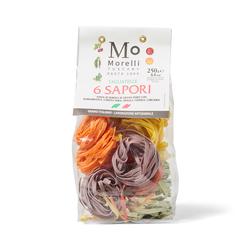
A vibrant tagliatelle crafted with all-natural vegetable colorants for striking color and rich texture.
-
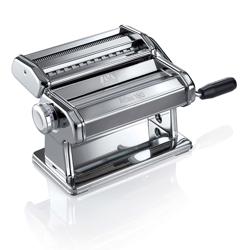
A red chrome steel pasta machine with anodized aluminum handle for effortlessly crafting a variety of pasta shapes.
-
(210)
A versatile and flavorful olive oil from Tuscany, perfect for drizzling, cooking, and dipping.
Pros: versatility, quality, flavor
-
(159)
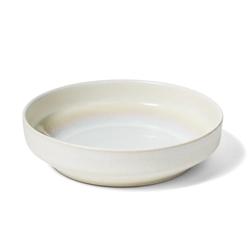
A simple and stylish white porcelain pasta bowl that complements any décor and offers versatile plating options.
Pros: versatility, appearance, quality
-
(123)
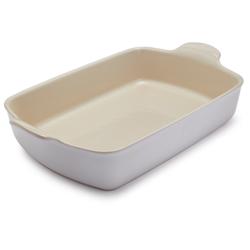
A white ceramic rectangular baker, 9" x 13", perfect for gratins, pasta dishes, and fruit crisps.
Pros: easy to clean, easy cleanup, perfect size
-
(62)
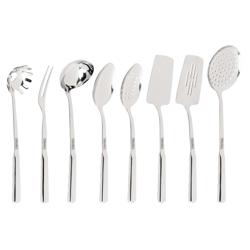
A versatile 8-piece utensil set made of sturdy stainless steel with a comfortable grip and mirror finish.
Pros: quality, appearance, comfortable grip
-
(58)
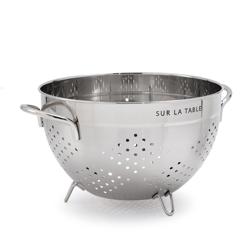
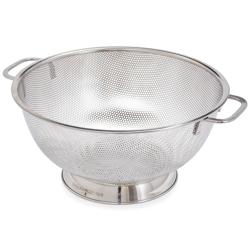
A durable and professional-grade stainless steel colander with stable feet and easy-to-use handles.
Pros: sturdiness, easy to clean, well made
-
(43)
A 5 qt. stainless steel colander with perforated grid, large handles, and elevated base for easy rinsing and draining.
Pros: sturdy, durable, easy to clean
-
(19)
A silver stainless steel pasta fork with a large claw and ergonomic handle for easy pasta cooking and serving.
Pros: sturdy, stainless steel, durable
-
(12)
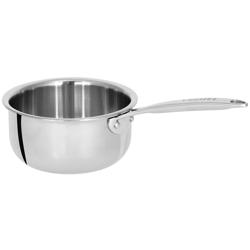
A lightweight, silver 5-ply mini saucepan made of stainless steel for precise, economical cooking.
Pros: fast melting, perfect size, prevents scalding
-
(11)
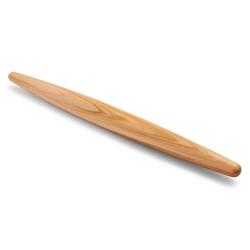
A tapered rolling pin in olivewood, perfect for beginners and professionals, with easy grip and release.
Pros: beautiful wood, feel, high quality
-
(6)
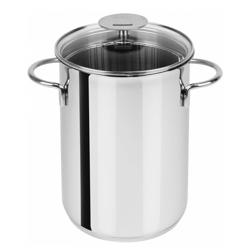
A versatile silver asparagus pot with lid made of stainless steel, perfect for steaming, blanching, and boiling.
Pros: cooks to perfection, versatile, perfect cooking
-
(6)
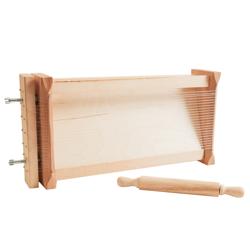
A tan beechwood pasta cutter with stainless steel wires for creating evenly cut spaghetti or wide noodles.
Pros: easy to use, ease of use, stringing
-
(1)
A fragrant, herbaceous extra virgin olive oil from Provence, perfect for enhancing grilled meats, vegetables, and pasta.
Pros: taste, quality
-
(1)
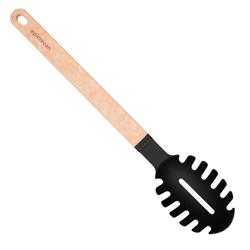
A tan pasta fork featuring a nylon head, paper composite handle, and convenient built-in kickstand.
Pros: appearance, style, functionality
Best Pasta
Pasta is one of the most popular foods in the world, and it's easy to see why. It's delicious, versatile, and easy to prepare. Here are some of our favorite pastas.



Best Pasta
FAQ List
The type of pasta you use can depend on the dish you're making. For example, long, thin noodles like spaghetti or linguine are great for dishes with a thinner sauce, while shorter shapes like penne or fusilli are better for thicker sauces. It's always a good idea to read the recipe and choose a pasta shape that will complement the other ingredients.
To cook pasta perfectly, start by bringing a large pot of salted water to a boil. Add the pasta and cook according to the package instructions, stirring occasionally. Test the pasta for doneness by tasting a piece - it should be cooked through but still slightly firm. Drain the pasta and toss with your desired sauce or toppings.
Fresh pasta is made with flour and eggs, and has a softer texture and richer flavor than dried pasta. It's also more delicate and can be more difficult to cook. Dried pasta is made with flour and water, and is more durable and easier to cook. Both types of pasta can be delicious, it just depends on the dish you're making and your personal preference.
To store leftover pasta, transfer it to an airtight container and refrigerate for up to 3-4 days. When reheating, you can either microwave it or reheat it on the stovetop with a little bit of water or sauce to prevent it from drying out.
Some common pasta-making mistakes include not using enough salt in the pasta water, overcooking or undercooking the pasta, and not reserving some of the pasta water to use in the sauce. It's also important to use the right type of pasta for the dish you're making, and to not overcrowd the pot when cooking the pasta.
-
"Best item i have purchased for a very long time, it is prettier and easier to use than a plate. i just"
-
"Great colors, love how versatile it is"
-
"LOVE LOVE LOVE this pasta machine!!!! So simple to use and clean.Makes the best pasta"
-
"I absolutely love them except that the seafoam ones are the only ones that are gloss"
-
"Made the best pasta ever"